Weitz Equine | 12427 124th Ct. E.  |  Northfield, MN 55057  paulweitzdvm@aol.com

Phone: 507.301.3400  Fax:  507.645.8885  |  EMERGENCY PAGER: 612-534-2086


Visit this page for informative reading on interesting cases we have seen recently.  If you would like to have your horse featured on this page please contact us at 507-301-3400 or by e-mail.


Canker

Canker is an aggressive infection of the hoof that leads to hypertrophy (overgrowth) of abnormal hoof tissue. Canker tends to occur more frequently in draft horse breeds and tends to be more of a problem in warm, wet climates. The exact causes are unknown, but the disease can be very problematic if it is not dealt with quickly and thoroughly.


Click here to read more about this case and how it was treated.


Eye Injury

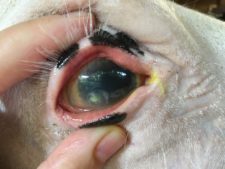
As we all know, if there is something for a horse to cut themselves on, they WILL find it. And this foal certainly did a great job!


Eyelid lacerations are not uncommon in horses and should be treated in a timely fashion.


Click here to read more about this case...


White Line Disease

Also sometimes called seedy toe, white line disease is a term used to describe anytime that an abnormal separation occurs between the hoof wall and the sole. The white line is the area on the external surface of the hoof that marks the connection between the hoof wall and sole.


Click here to read more about this case and how it was treated.


Leg Injury
 

Kate, a palomino Quarter Horse mare, was being trailered when she got her hind leg caught up in a panel in the trailer. In the process of trying to free herself, she acquired a degloving injury of her right hind limb.

This type of injury to the dorsal (front) part of the hind limb just below the hock is fairly common in horses. The typical scenario is that they get a leg stuck through a fence when kicking at flies or horses or get hung up in a stall or trailer. The offending obstacle then tears the skin and tissue from the dorsal surface of the leg as they try to get free.


Click here to read more about this case and how it was treated.


© 2009 Weitz Equine